
Author: Dr. Ibrahim Mugerwa, MA, PhD
From household appliances and furniture to medical devices and agricultural equipment, Industrial Design influences many of the products used every day. The discipline combines creativity, technology, engineering, and business knowledge to develop products that are functional, attractive, and suitable for manufacturing.
Changes in technology, environmental concerns, and evolving consumer expectations are transforming product development worldwide. Designers are increasingly expected to create solutions that meet user needs, support sustainable production, and contribute to economic growth.
What is Industrial Design?
The World Design Organization (WDO) defines Industrial Design as a strategic problem-solving process that drives innovation and improves quality of life through products, systems, services, and experiences. Industrial designers contribute to a wide range of sectors including manufacturing, healthcare, agriculture, transportation, education, and consumer products.
Beyond appearance, Industrial Design focuses on balancing user needs, technical feasibility, business objectives, and environmental responsibility. The goal is to develop products that are useful, manufacturable, economically viable, and meaningful to users.
Human-Centred Design
One of the most significant developments in product development is the adoption of human-centred design. Rather than beginning with technology or production requirements, designers start by understanding the people who will use the product.
This approach involves studying user needs, behaviours, and challenges to create products that are practical, comfortable, and intuitive. Companies that invest in understanding users often produce products that perform better in the marketplace because they address real needs and expectations.
Sustainability and Circular Design
Environmental sustainability has become a major consideration in product development. Designers are increasingly expected to consider the environmental impact of products throughout their lifecycle, from material selection and production to use and disposal.
Circular design promotes efficient use of resources by encouraging repair, reuse, remanufacturing, and recycling. This approach reduces waste, conserves materials, and supports responsible production systems. As industries seek to reduce environmental impacts, sustainable design practices are becoming an essential part of product development.
Digital Technologies in Product Development
Digital technologies have transformed the way products are developed. Computer-Aided Design (CAD), 3D printing, digital simulation, and virtual prototyping allow designers to develop, test, and refine products more efficiently.
A typical digital workflow may involve concept sketching, digital modelling, simulation, prototyping, and final production. These technologies improve design accuracy, reduce development costs, and shorten the time required to move products from concept to market.
The increasing accessibility of digital tools has also created opportunities for designers and manufacturers in developing economies to compete more effectively in local and international markets.
Inclusive Design
Designers are increasingly recognising the importance of serving diverse user groups. Inclusive design seeks to ensure that products are accessible, safe, and usable by people of different ages, abilities, and backgrounds.
Whether designing for children, older adults, or persons with disabilities, inclusive design helps create products that reach a wider range of users while improving overall user experience.
Opportunities for Developing Economies
Industrial Design contributes to industrialisation by supporting local manufacturing, product improvement, entrepreneurship, and value addition. Across Africa, designers are developing solutions for agriculture, healthcare, renewable energy, housing, transportation, and education.
These initiatives help address local challenges while supporting employment, business development, and economic growth. By transforming ideas into market-ready products, Industrial Design strengthens local industries and reduces dependence on imported goods.
Relevance to Uganda
Uganda’s growing manufacturing sector presents significant opportunities for Industrial Design. As the country seeks to increase value addition and promote local production, there is an increasing need for professionals who can bridge the gap between innovation and manufacturing.
Uganda also possesses a rich culture of craftsmanship and entrepreneurship. Combining traditional skills with modern design methods and technologies can help local industries develop products that are competitive in regional and international markets.
Industrial Design therefore has an important role in supporting industrialisation, innovation, and sustainable economic development.
The Role of SASA College
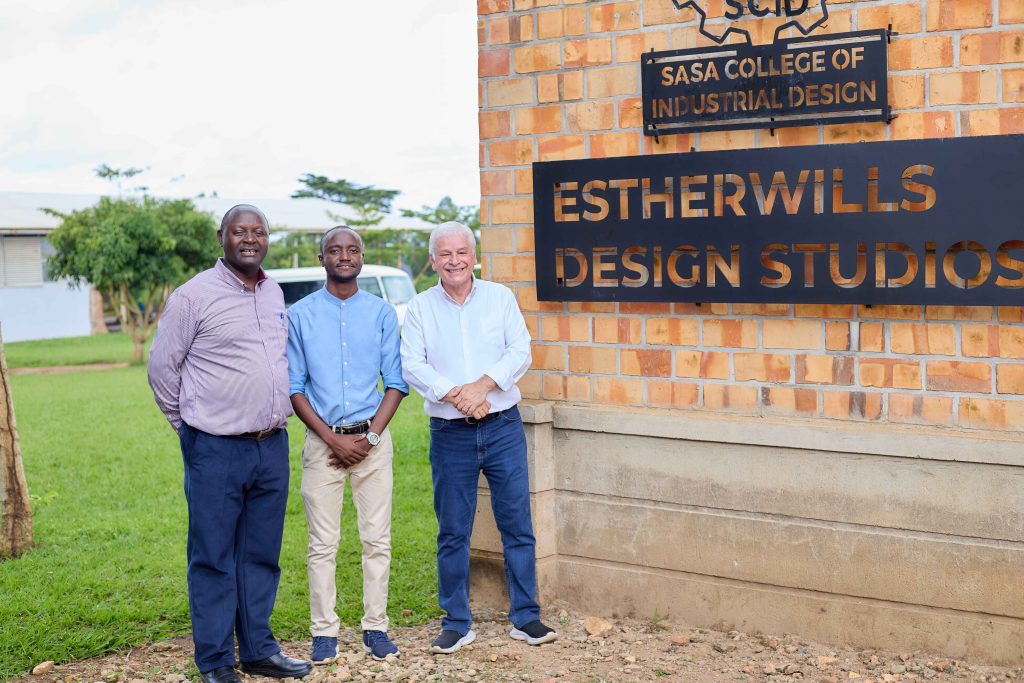
SASA College of Industrial Design is committed to developing the next generation of designers and innovators. Through training in design theory, digital technologies, manufacturing processes, prototyping, sustainability, and entrepreneurship, students acquire the knowledge and practical skills required in professional practice.
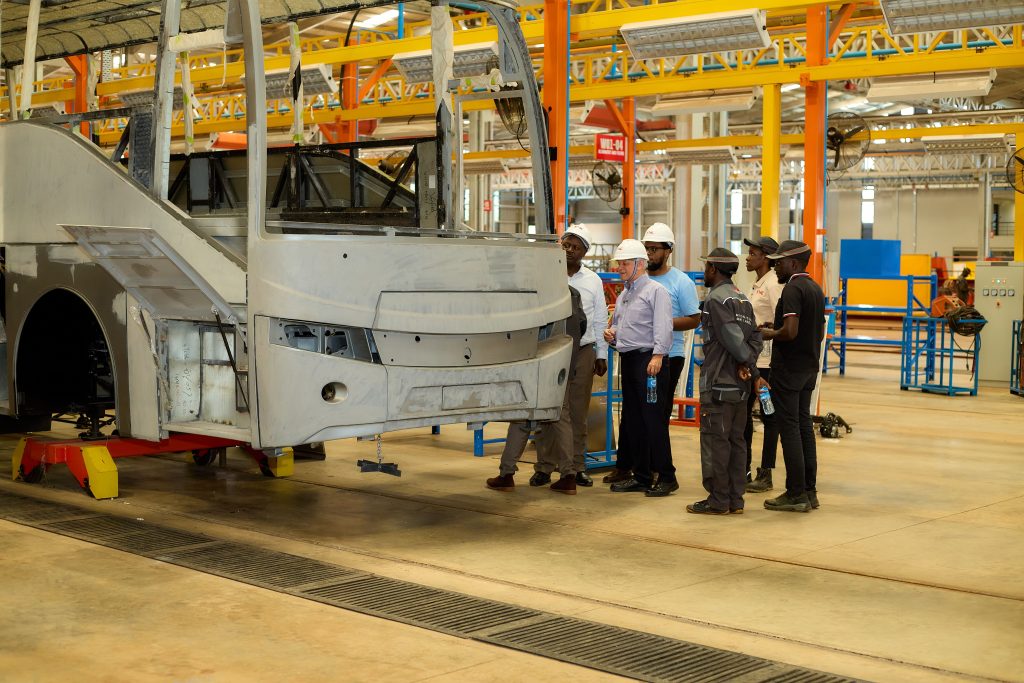
Studio projects, workshops, and industry engagement provide opportunities for students to tackle practical design challenges while developing products that respond to community and industry needs. This approach helps graduates develop both creative and technical competencies required in the workplace.
Conclusion
Human-centred design, sustainability, digital technologies, and inclusive design are reshaping product development across the world. These approaches are helping industries develop products that are more efficient, accessible, and responsive to user needs.
For Uganda, strengthening design education and practice can support manufacturing, value addition, entrepreneurship, and innovation. By developing skilled designers who understand both creativity and production, the country can increase its capacity to develop locally relevant products and strengthen its position within regional and global markets.
About the Author
Dr. Ibrahim Mugerwa, MA, PhD is an Industrial Designer, Design Researcher, and Lecturer specializing in product design, sustainability, design for manufacturing, and innovation. His work focuses on applying design research and innovation to support industrial development, value addition, and sustainable production systems in developing countries. He is actively involved in curriculum development, design education, and innovation projects that strengthen Uganda’s manufacturing and creative industries.