
A vision beyond the present. An investment in the future.
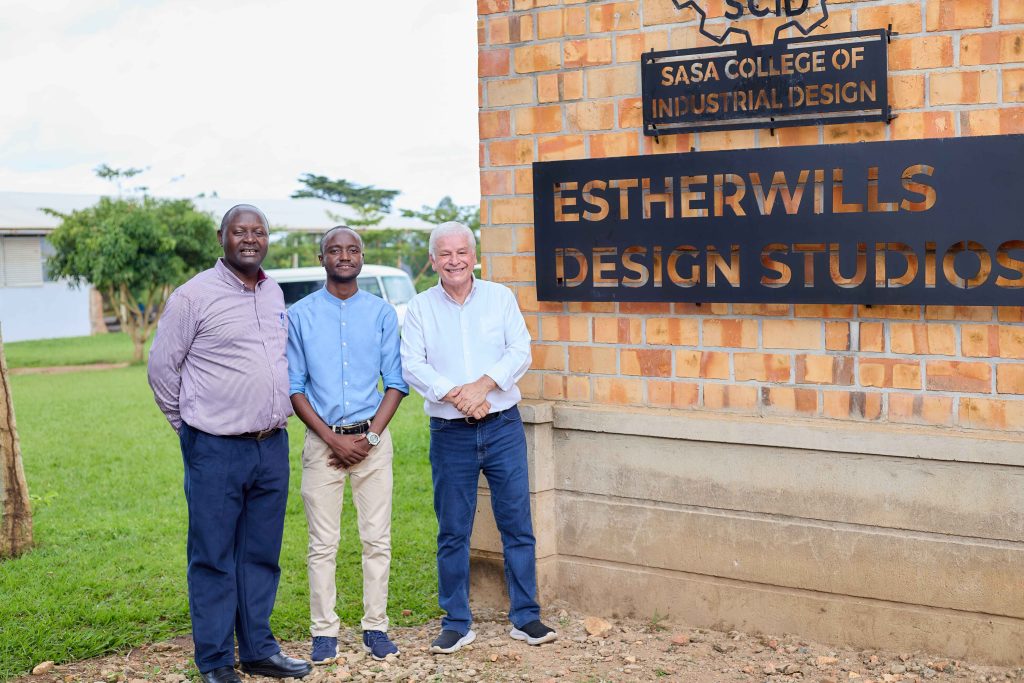
SASA College of Industrial Design has a bold ambition: To become a trailblazer in industrial design, championing the application of industrial design principles to transform how products are conceived, developed and manufactured in Uganda.
This ambition is rooted in a bigger national aspiration: to see Made in Uganda become a respected and sought-after brand, not only within our borders but across international markets.
We recognise that this transformation may not happen within our generation. However, every meaningful journey must begin somewhere. For us, that beginning involves investing in knowledge, developing talent, building institutional capacity and learning from countries and institutions that have demonstrated what is possible through industrial design.
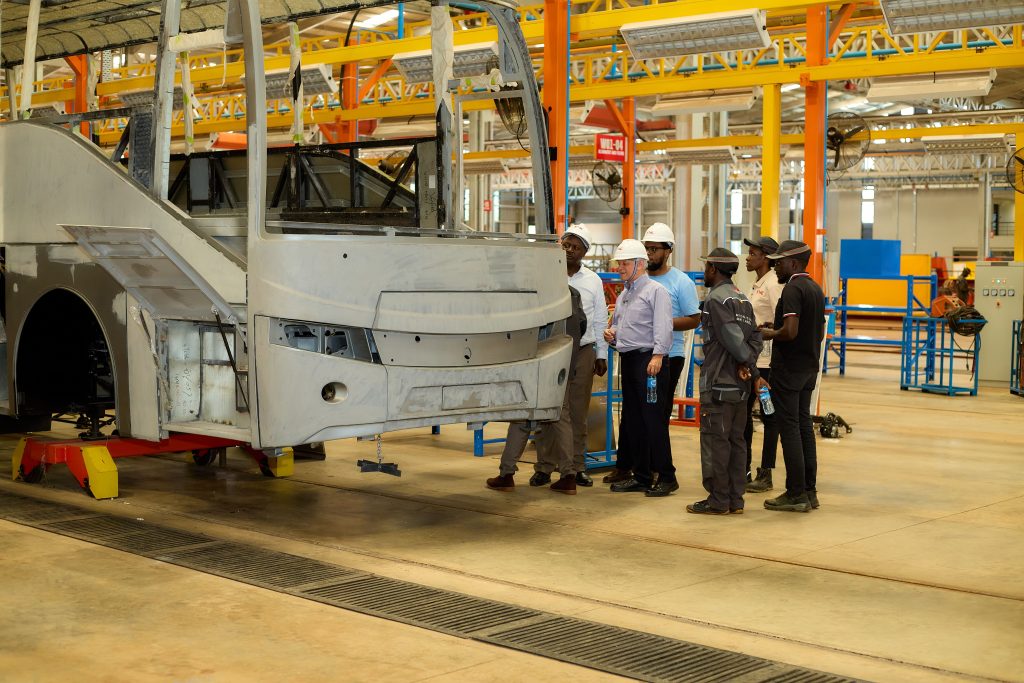
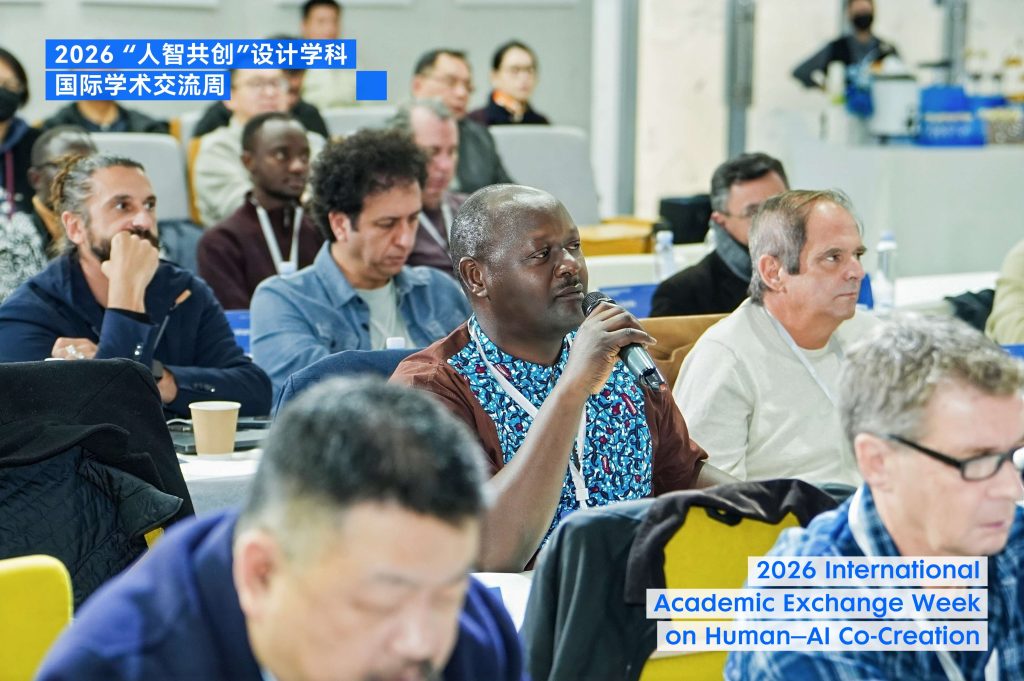
This is the thinking behind Sasa College’s visit to Changsha, Hunan Province, China.
Learning from global leaders
In 2024, Sasa College joined the World Design Organization (WDO), an international body that brings together designers and design institutions committed to advancing design as a tool for improving lives, promoting sustainability and addressing global challenges.
Membership in this global community creates opportunities to connect with leading designers, researchers and academics from across the world.
Among the important relationships emerging from this engagement is our connection with Professor Wei Wang of Hunan University, one of China’s leading universities with expertise in industrial design.
Our engagement with Hunan University is driven by a fundamental question: How can Sasa College develop world-class industrial designers who can contribute meaningfully to Uganda’s industrial and economic transformation?
Strengthening our curriculum and teaching approaches
Our collaboration with Hunan University provides an opportunity to benchmark our academic programmes against internationally established practices.
This involves examining not only what we teach, but also how we teach it.
Our curriculum for both the Advanced Certificate and Diploma programmes is accredited by the National Council for Higher Education. However, accreditation is not the end of our journey. Our ambition to become a centre of excellence requires continuous review, improvement and alignment with evolving international standards.
We want our graduates to possess more than theoretical knowledge. They must be practical problem-solvers, creative thinkers and competent designers who can translate ideas into products that respond to real market needs.
This calls for improvements in curriculum development, teaching methodologies, practical training, research and industry engagement.
Investing in our people

An institution can only grow as far as the capacity of its people allows.
Professional development is therefore a critical component of our engagement with Hunan University. One of the key areas of discussion is the possibility of scholarship opportunities that would enable Sasa College staff to pursue master’s degree programmes and subsequently return to Uganda to strengthen our teaching capacity.
This is a deliberate investment in sustainable knowledge transfer. Rather than simply acquiring knowledge from abroad, we want to develop a local pool of highly skilled educators who can train successive generations of industrial designers in Uganda.
What this means for Uganda
The potential benefits of this vision extend far beyond Sasa College.
Imagine a Uganda whose exports are not limited to agricultural produce and raw materials, but also include beautifully designed, innovative and competitive manufactured products.
Imagine Ugandan furniture, household products, fashion accessories, equipment and other manufactured goods competing confidently in international markets.
That is the power of industrial design. It enables us to add value, improve product quality, strengthen manufacturing and create opportunities for businesses, artisans and young innovators.
Ultimately, we want to contribute to a Uganda where design becomes an important driver of industrialisation, employment, entrepreneurship and national economic growth.
The journey has already begun
We are grateful to the Ministry for believing in this vision and supporting the initial steps towards its realisation.
Even as we pursue international collaboration, work is already happening locally. Sasa College is currently implementing a skills development programme in Katwe, where artisans are being exposed to new ideas, improved practices and the possibilities of applying international standards to their work.
The progress and enthusiasm coming out of this programme are encouraging. They reinforce our belief that we are moving in the right direction.
The visit to Changsha is therefore not an isolated event. It is part of a much bigger journey: building an institution that can help shape the future of industrial design in Uganda.
We have much to learn, much to build and much to achieve. But we must start somewhere.
The future of Made in Uganda will not only depend on what we produce, but also on how well we design it.
More updates from our engagement in China will follow.
Thank you.